ASA UV Resistance
An in-depth evaluation of Acrylonitrile Styrene Acrylate and its superior chemical performance in harsh environments compared to standard polymers.
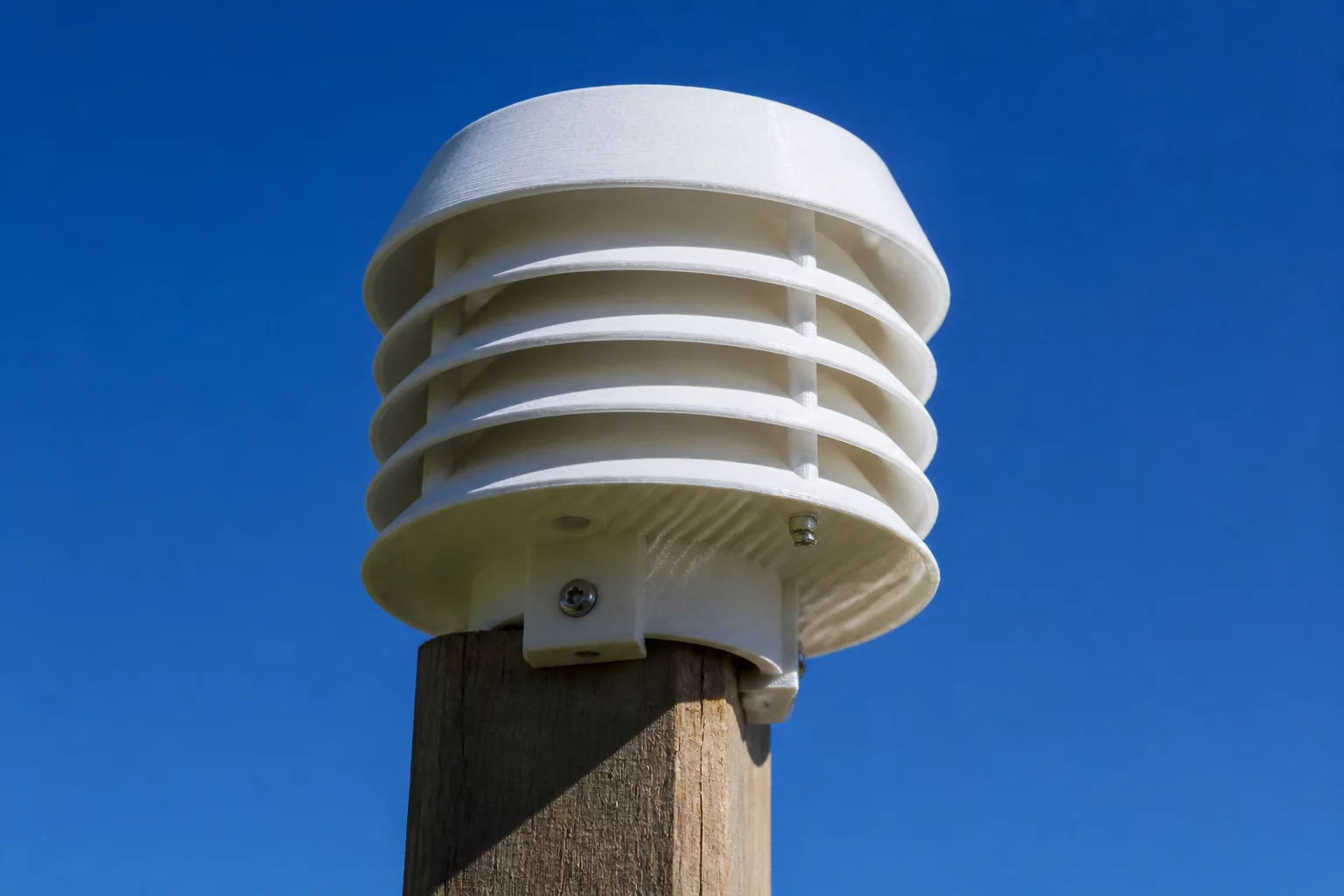
ASA, or Acrylonitrile Styrene Acrylate, is widely regarded as the spiritual successor to ABS in the world of functional 3D printing. While it shares many mechanical properties with ABS, its chemical composition is fundamentally different. By replacing the butadiene rubber component with a saturated acrylic elastomer, the polymer gains an inherent immunity to the degradation caused by ultraviolet radiation. This specific modification ensures that the material does not yellow or become brittle when exposed to direct sunlight over extended periods.
Superior Outdoor Performance
Most polymers fail outdoors because UV rays break down their molecular chains, leading to micro-cracking and eventual mechanical failure. ASA remains structurally sound and retains its color vibrance under these conditions. Our field tests involving outdoor weather enclosures demonstrate that ASA maintain its impact strength and surface integrity after months of exposure to high-UV environments. Engineering teams frequently select it for automotive exterior parts, marine equipment, and utility housings because of this reliability.
Printing Guidelines for Best Results
Working with ASA requires a controlled thermal environment similar to ABS printing protocols. It features a high glass transition temperature, making a heated chamber almost mandatory to prevent warping and shrinkage. Precise cooling management is essential; high fan speeds should be avoided during the initial layers to ensure strong bed adhesion. When printed correctly, the material provides a premium matte finish that hides layer lines more effectively than PETG or PLA.
Key Advantages for Functional Prototypes
- Unmatched UV Stability: Ideal for long-term outdoor deployment without losing structural integrity.
- High Heat Deflection: Maintains shape and strength at temperatures exceeding 90°C.
- Chemical Resistance: Resilient against many oils, greases, and aliphatic hydrocarbons.
- Post-Processing: Highly compatible with acetone vapor smoothing for a professional, glossy finish.
- Dimensional Precision: Offers high rigidity, making it suitable for mechanical assemblies and interlocking parts.
Engineers and designers should consider ASA whenever a project moves from the indoor laboratory to the variable conditions of the real world. Its combination of toughness and environmental resilience makes it one of the most versatile engineering filaments available today.