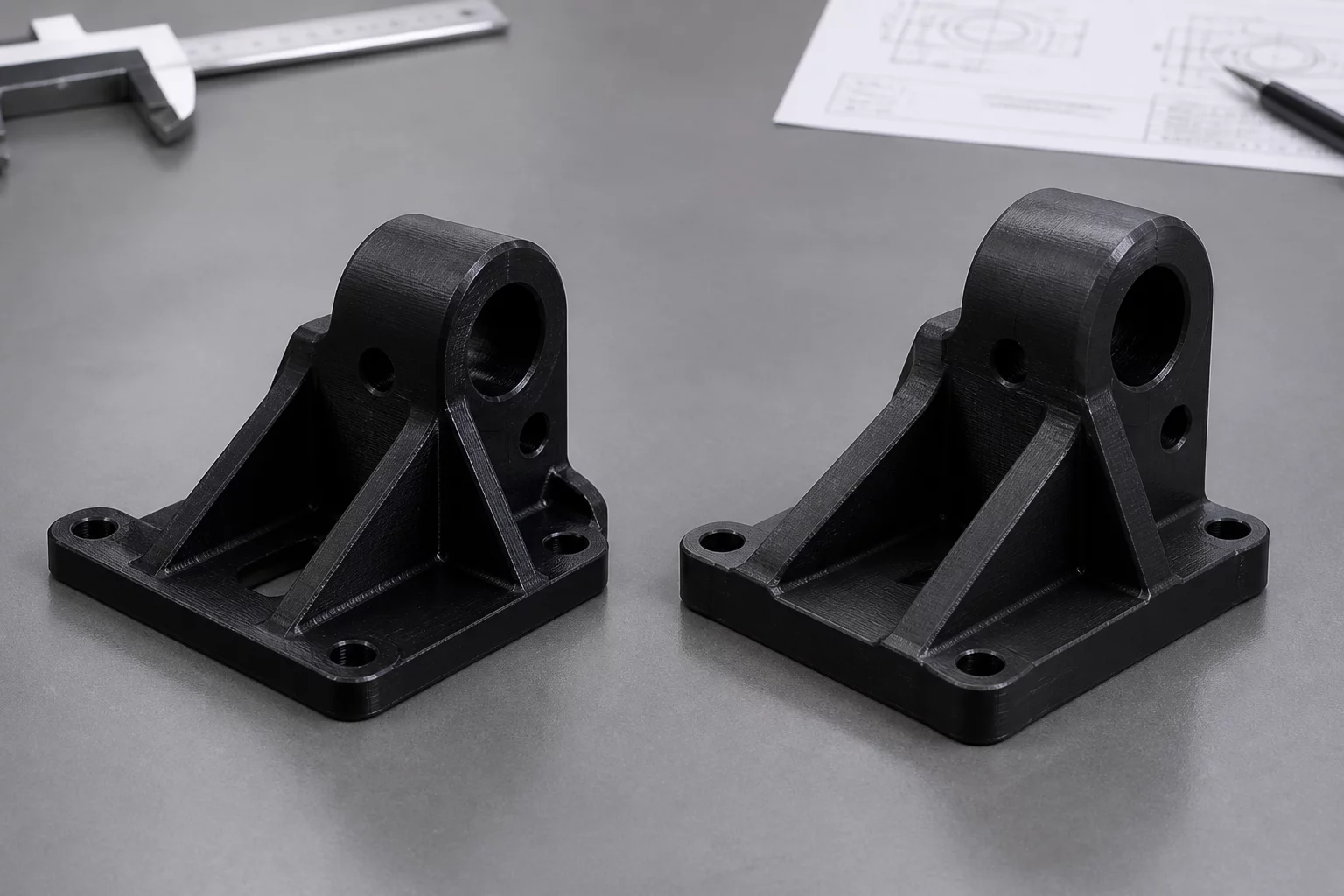
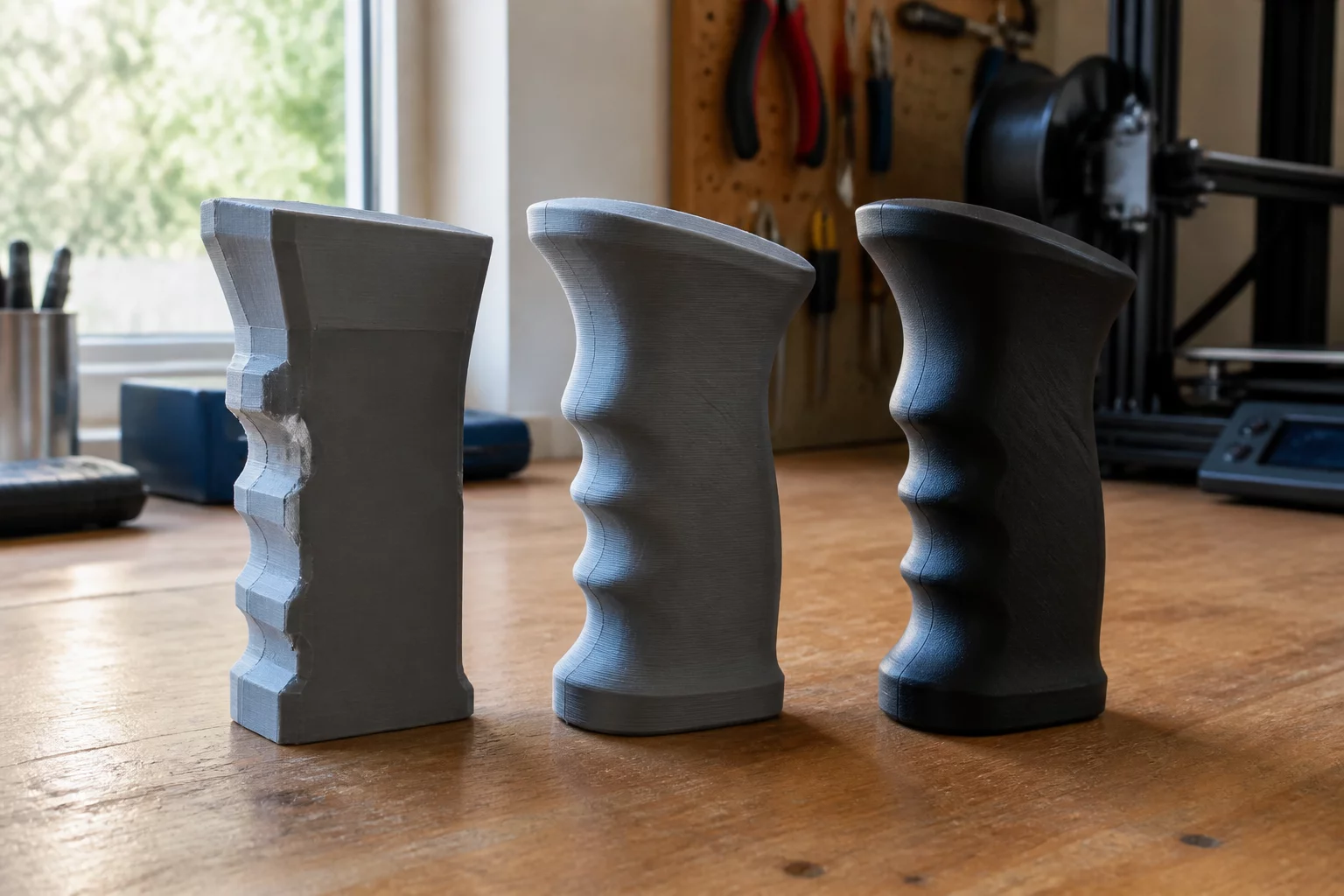
A structured methodology to evaluate 3D printing results, identifying critical variations between design versions.
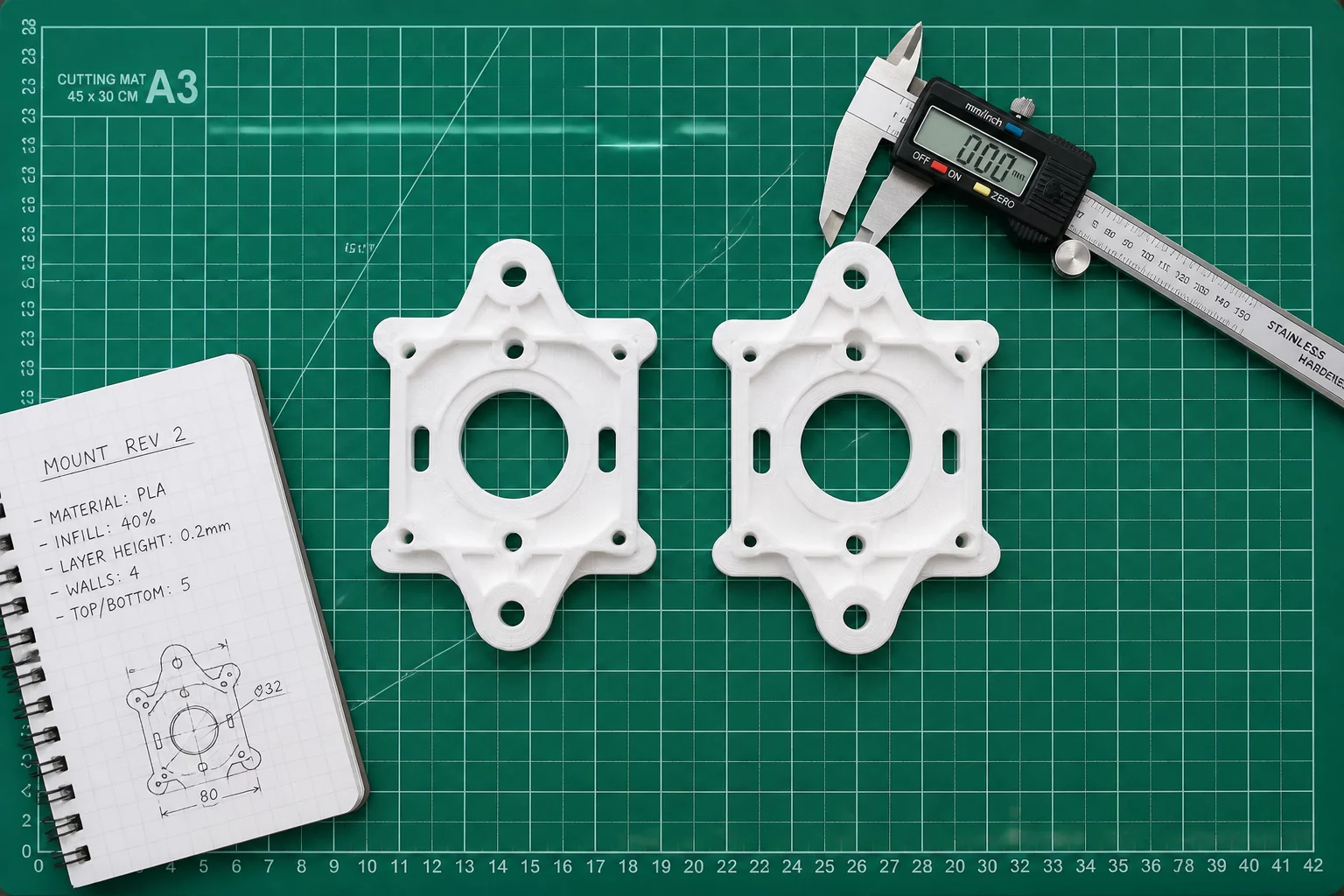
Define the primary objective for the current iteration and set the baseline for performance comparison.
Read Analysis Guide
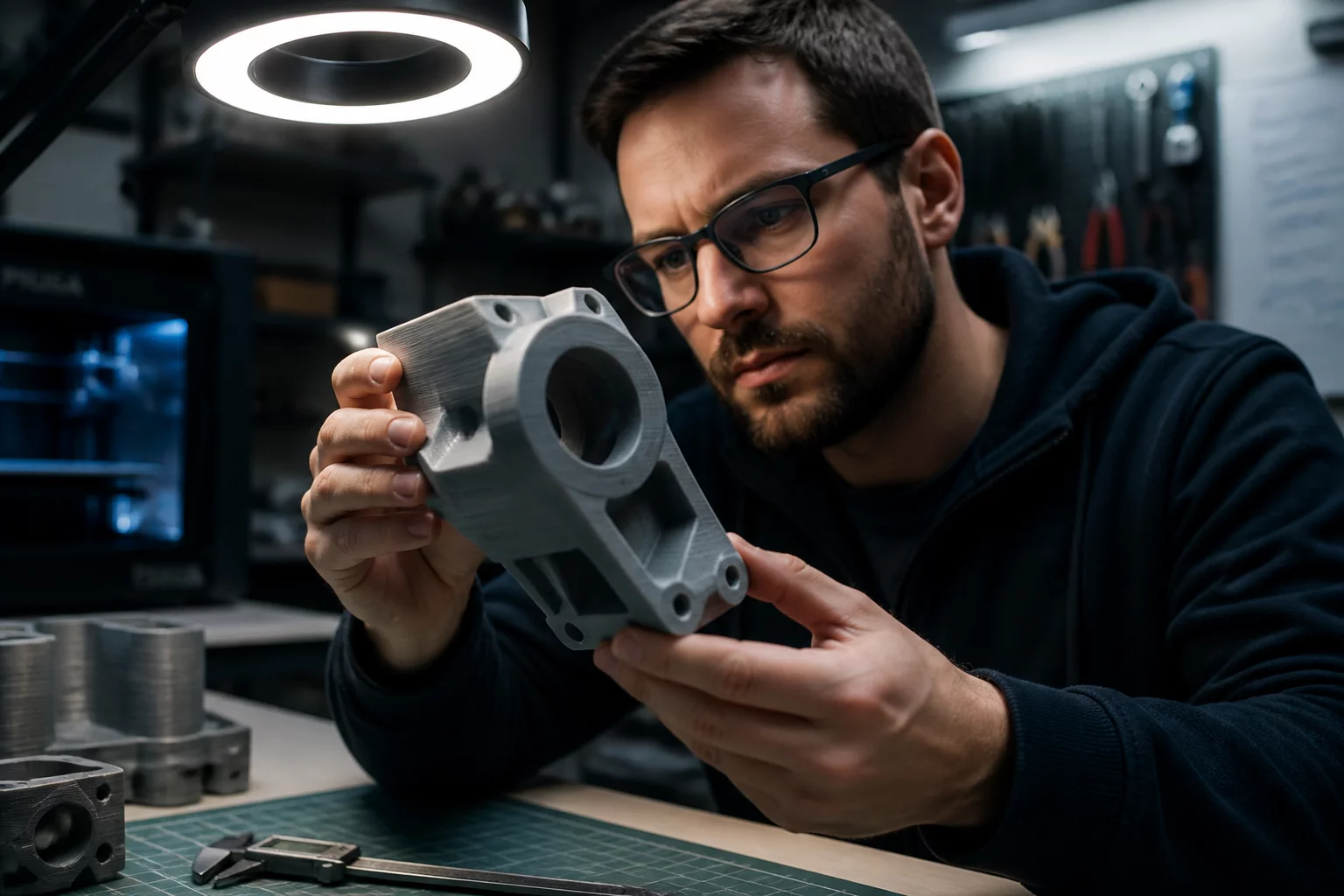
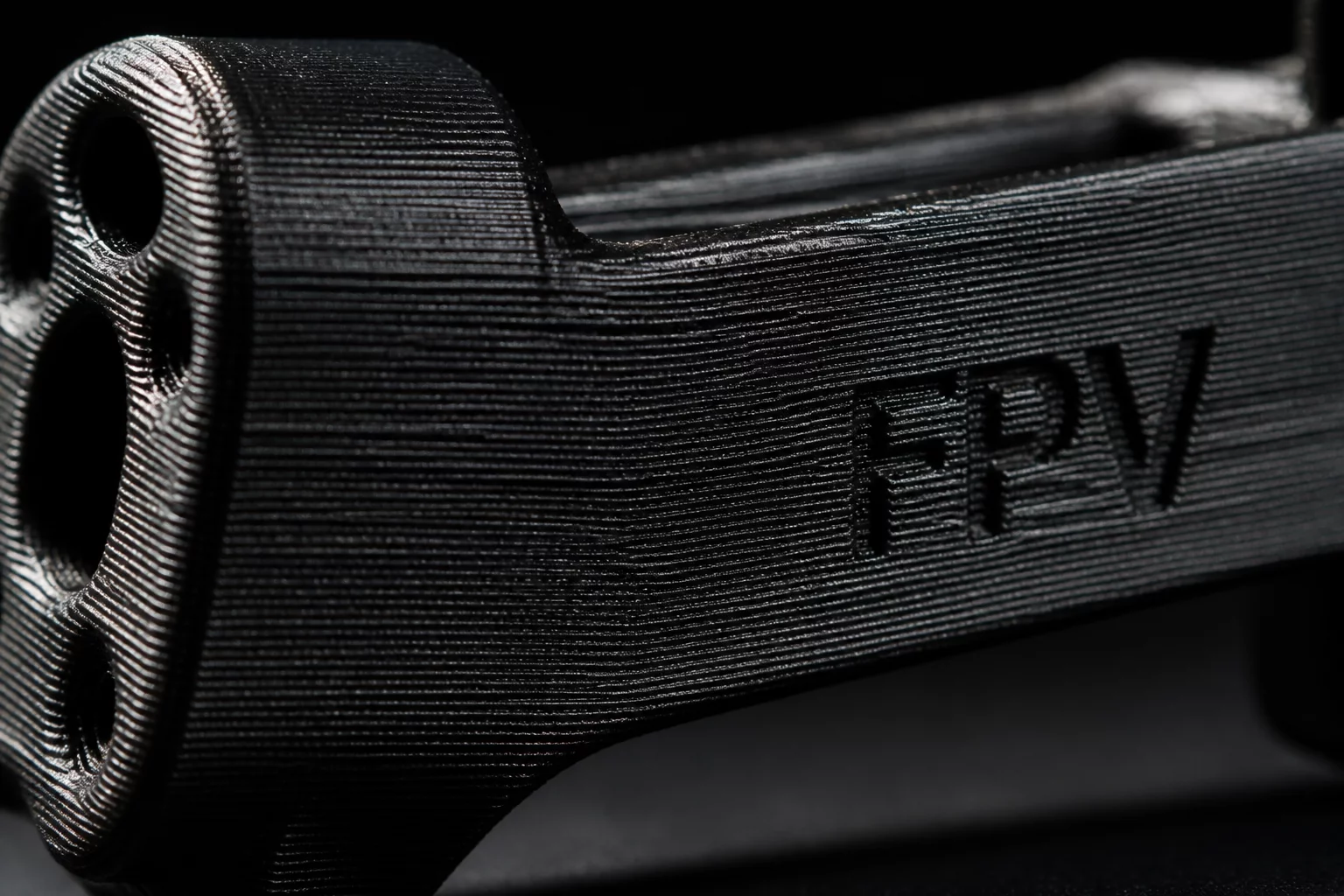
Techniques for identifying surface artifacts, layer inconsistencies, and aesthetic variations across parts.
Read Analysis Guide
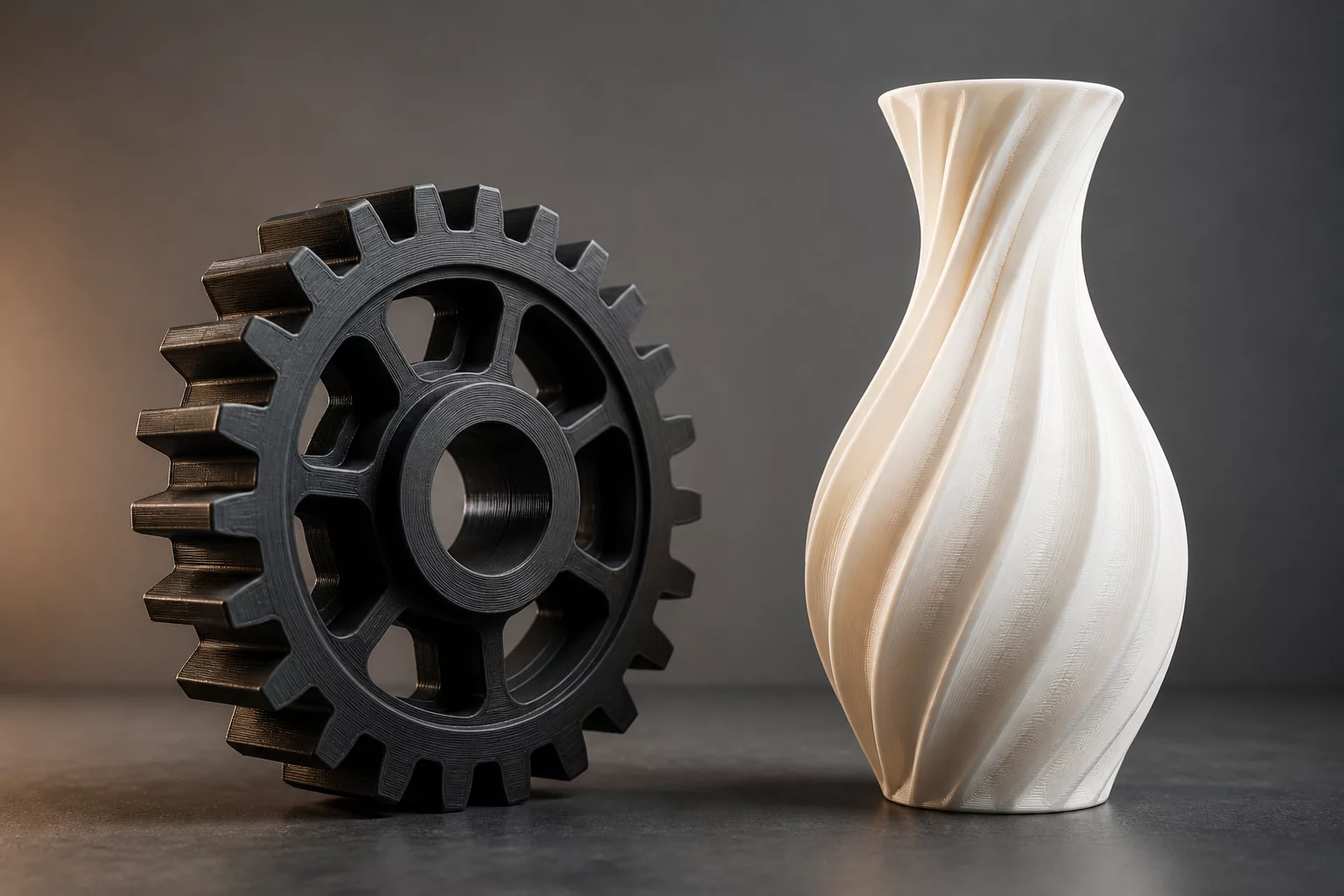
Assess how geometric changes impact mechanical fit, assembly tolerances, and snap-fit performance.
Read Analysis Guide

Evaluate the consistency of the printing process to ensure that successful results can be replicated.
Read Analysis Guide
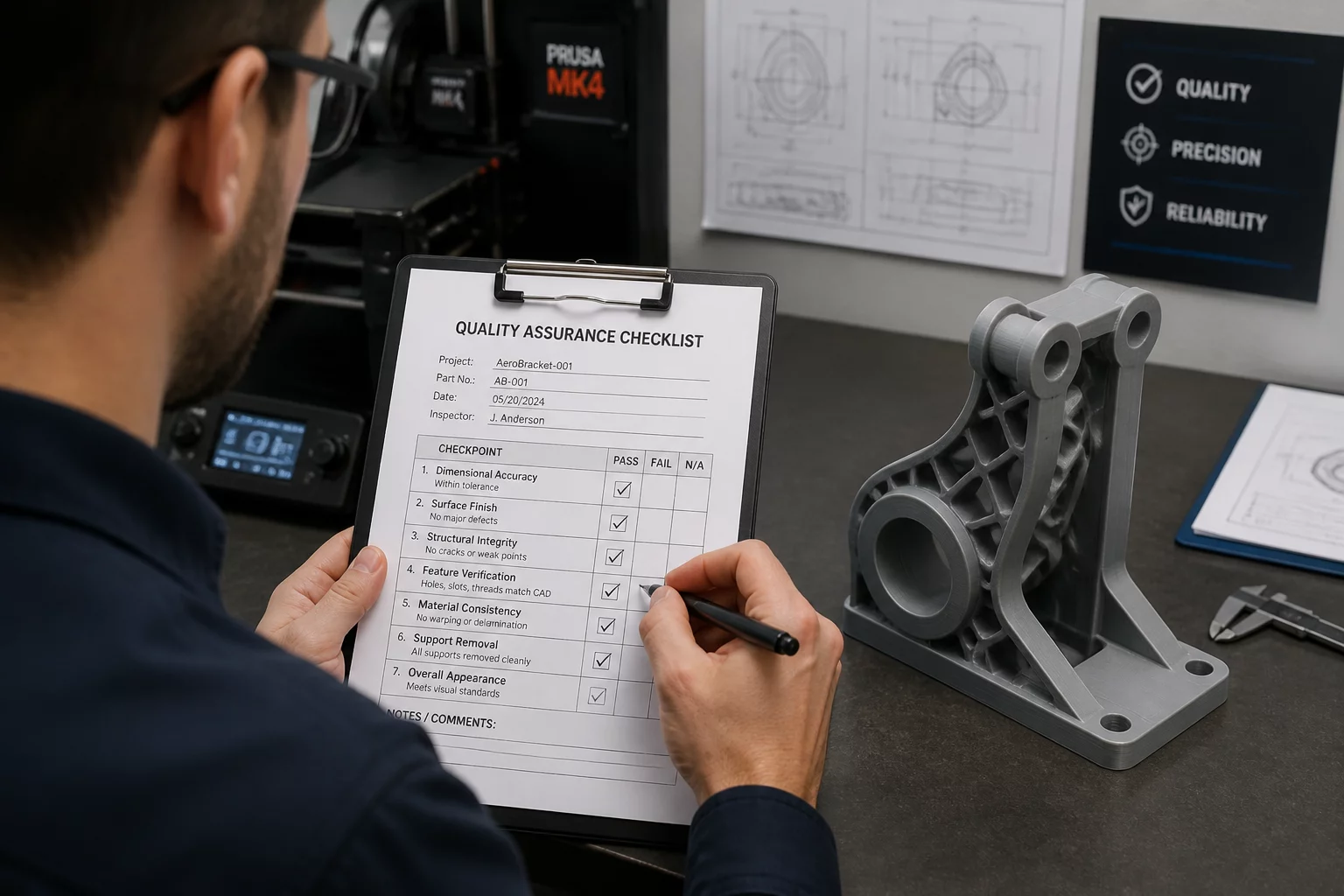
Establish pass/fail criteria for dimensional accuracy, strength requirements, and finishing quality.
Read Analysis Guide
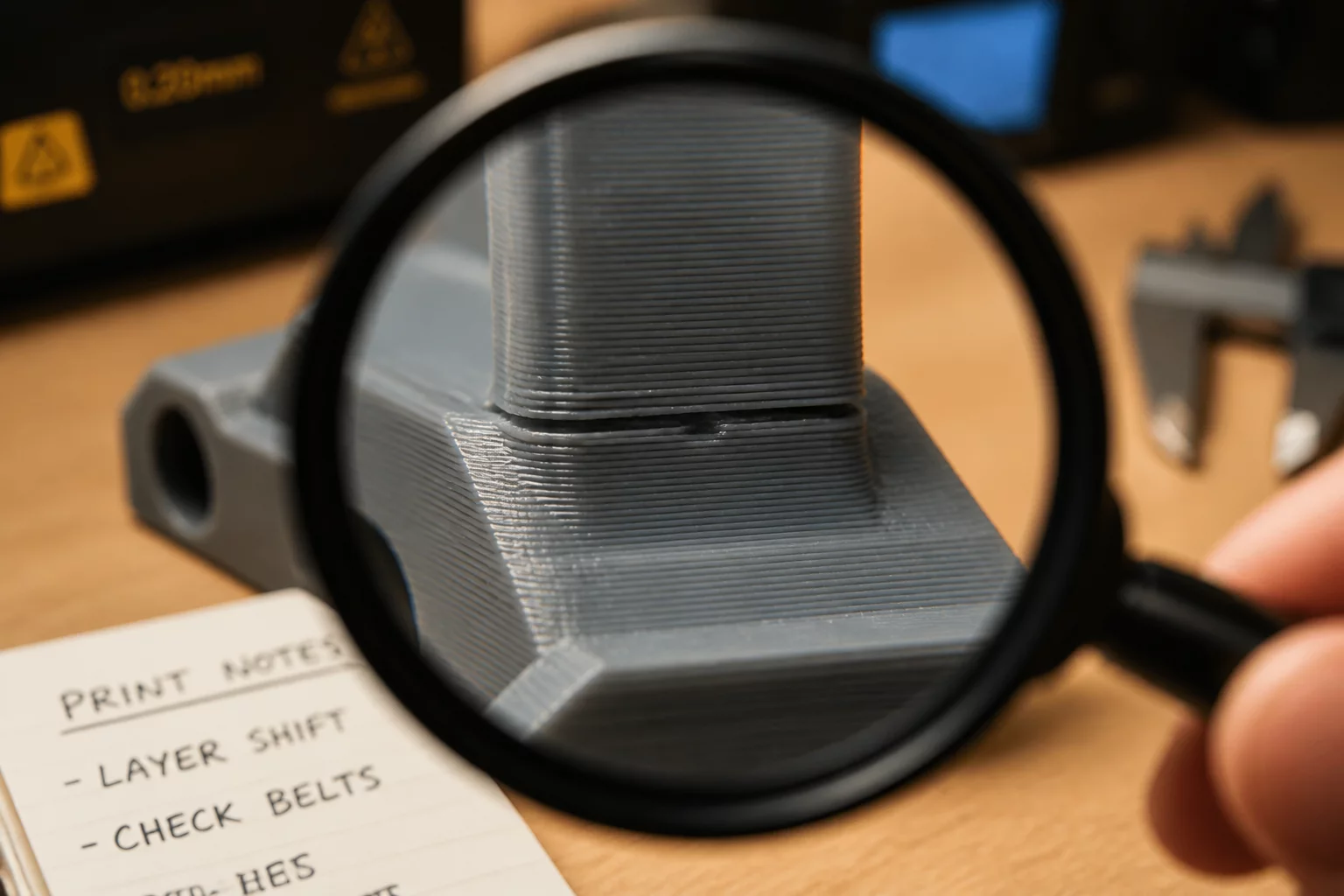
Document why specific design changes were made and how they address previous iteration failures.
Read Analysis Guide
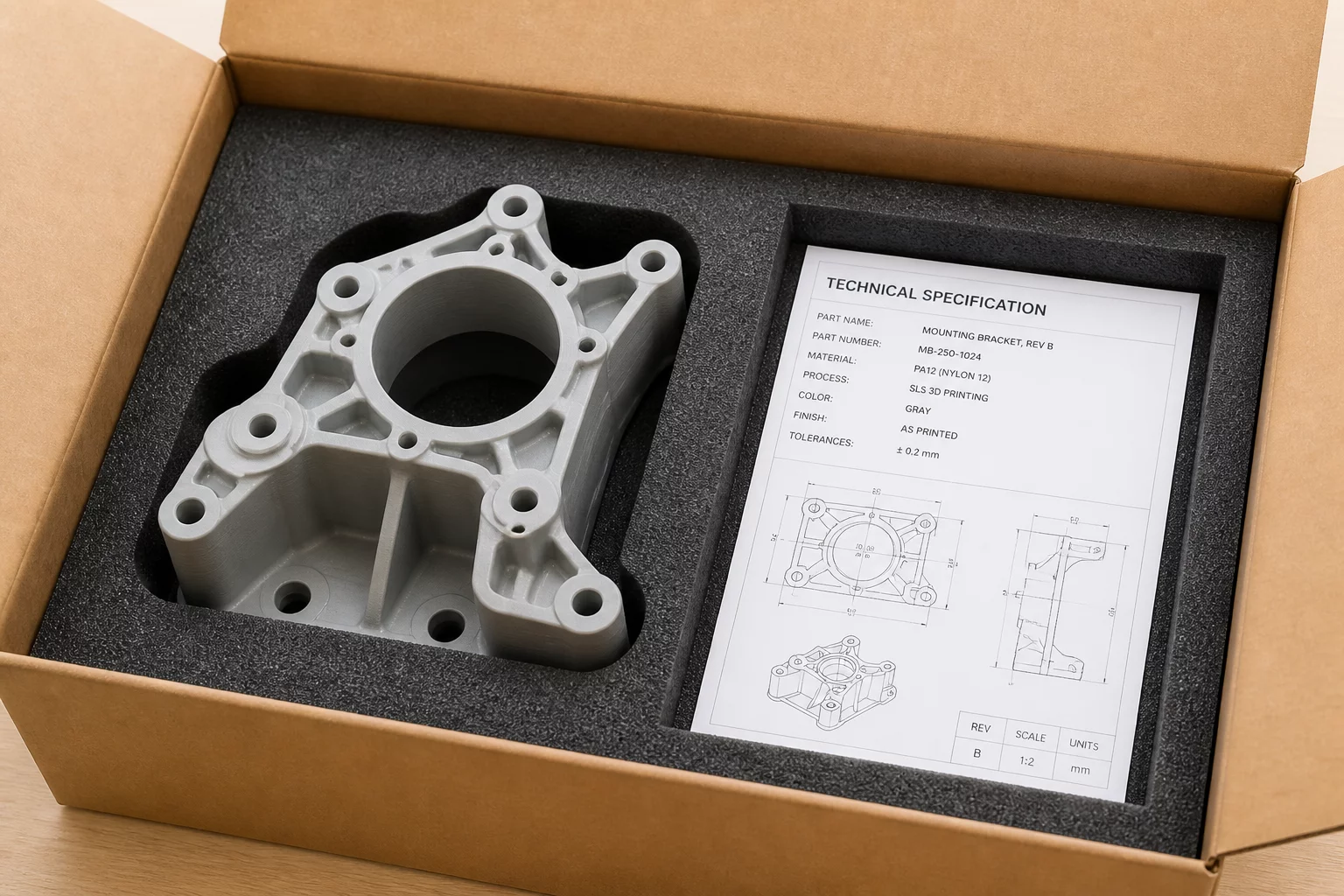
Final verification steps required before transitioning from prototyping to full-scale part production.
Read Analysis GuideStandardized procedures for evaluating 3D printed iterations and determining technical acceptability.
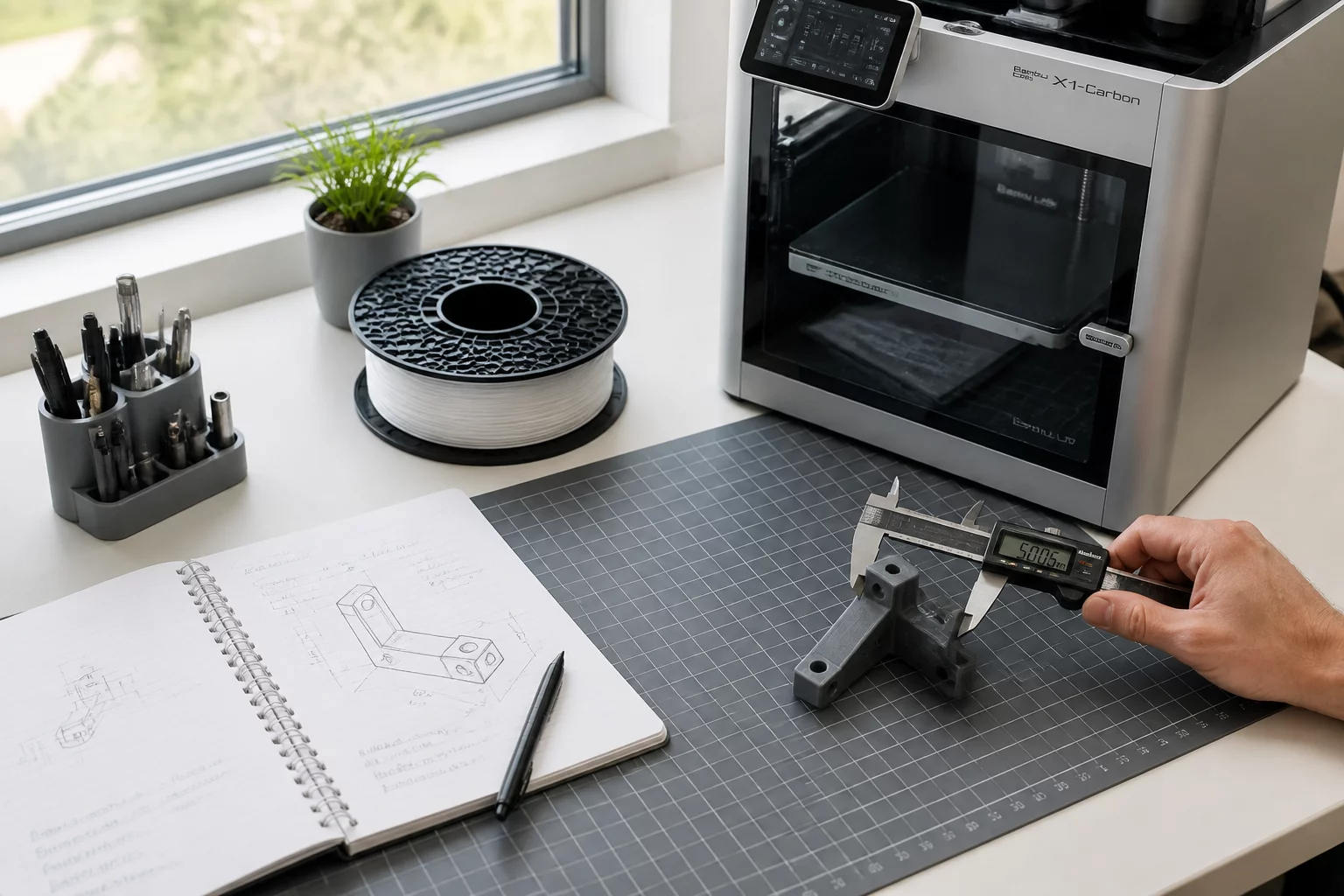
A systematic approach to side-by-side analysis using digital tools and manual inspection.
Read Guide
Defining thresholds for tolerance shifts and identifying critical deviations in geometry.
Read Guide
Prioritizing structural integrity over surface aesthetics in engineering prototypes.
Read Guide
Critical questions to ask when assessing consistency across multiple batch prints.
Read GuideTo ensure a precise analysis of your 3D printing iterations, please prepare the following technical materials and data points before initiating the PartTrace review process.
Original STP or STEP files to serve as the geometric baseline for all comparisons.
Exported .3mf or G-code settings including layer height, speed, and infill patterns.
High-resolution macro photos showing surface finish and potential artifacts of each trial.
Recorded dimensions using calibrated calipers to track tolerance shifts between versions.
Filament brand, drying duration, and batch numbers for both iteration cycles.
Clearly defined functional goals for the specific part to determine trial acceptance.
All technical data verified. Proceed to differential comparison gallery.
To ensure technical precision, we clearly define the boundaries of our 3D print iteration reviews. This clarity prevents disputes and focuses on meaningful data differences.
Documenting measurable technical achievements and performance benchmarks across historical design cycles.
Dimensional accuracy improved from ±0.2mm to ±0.05mm through shell reinforcement.
View Technical Data
Achieved zero-gap friction-free assembly by calibrating horizontal expansion settings.
View Technical Data
Layer adhesion strength increased by 35% using optimized thermal nozzle profiles.
View Technical Data
Total print time reduced by 18 minutes per unit while maintaining surface finish quality.
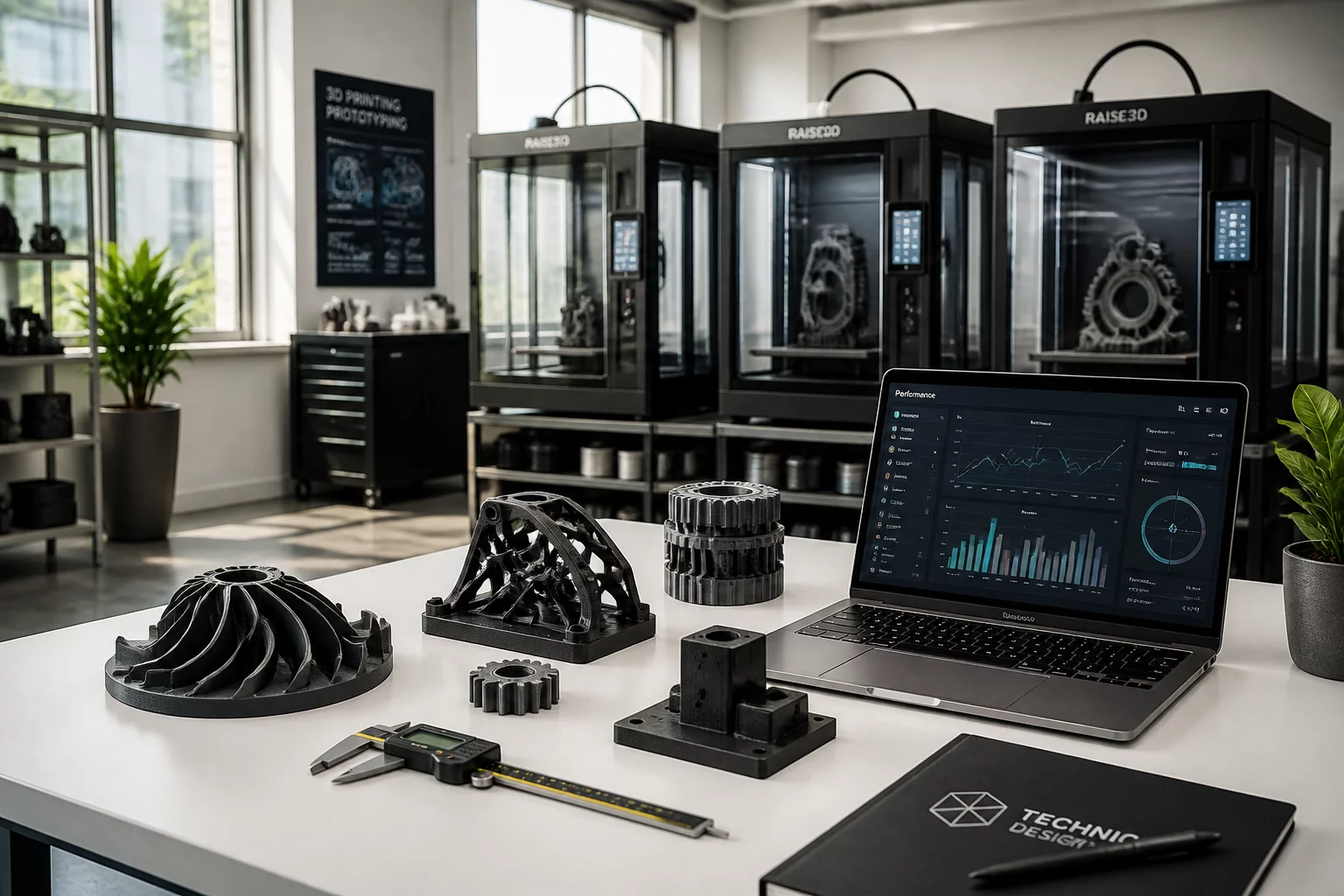
View Technical DataOur specialized methodology transforms the chaotic trial-and-error of 3D printing into a structured engineering process. By leveraging the advanced capabilities of Bambu Studio, we help you identify microscopic deviations in wall thickness, layer adhesion, and mechanical tolerances between every iteration.
Our team of material scientists and mechanical engineers work tirelessly to define the standards of 3D printing iteration and precision analysis.
Chief Materials Scientist
15+ years of research in high-performance polymer behavior and thermal iteration dynamics.
Lead Additive Engineer
Specialist in FDM tolerance calibration and geometric stability across multiple print cycles.
Quality Systems Director
Expert in establishing standardized visual inspection protocols and technical documentation loops.